“Frida: Paradox”
The Inaugural Institutional Exhibition of Frida Kahlo in China
V&A Design Society, Shenzhen
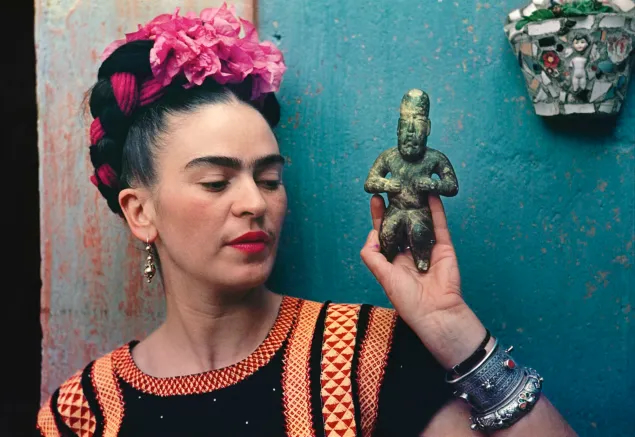
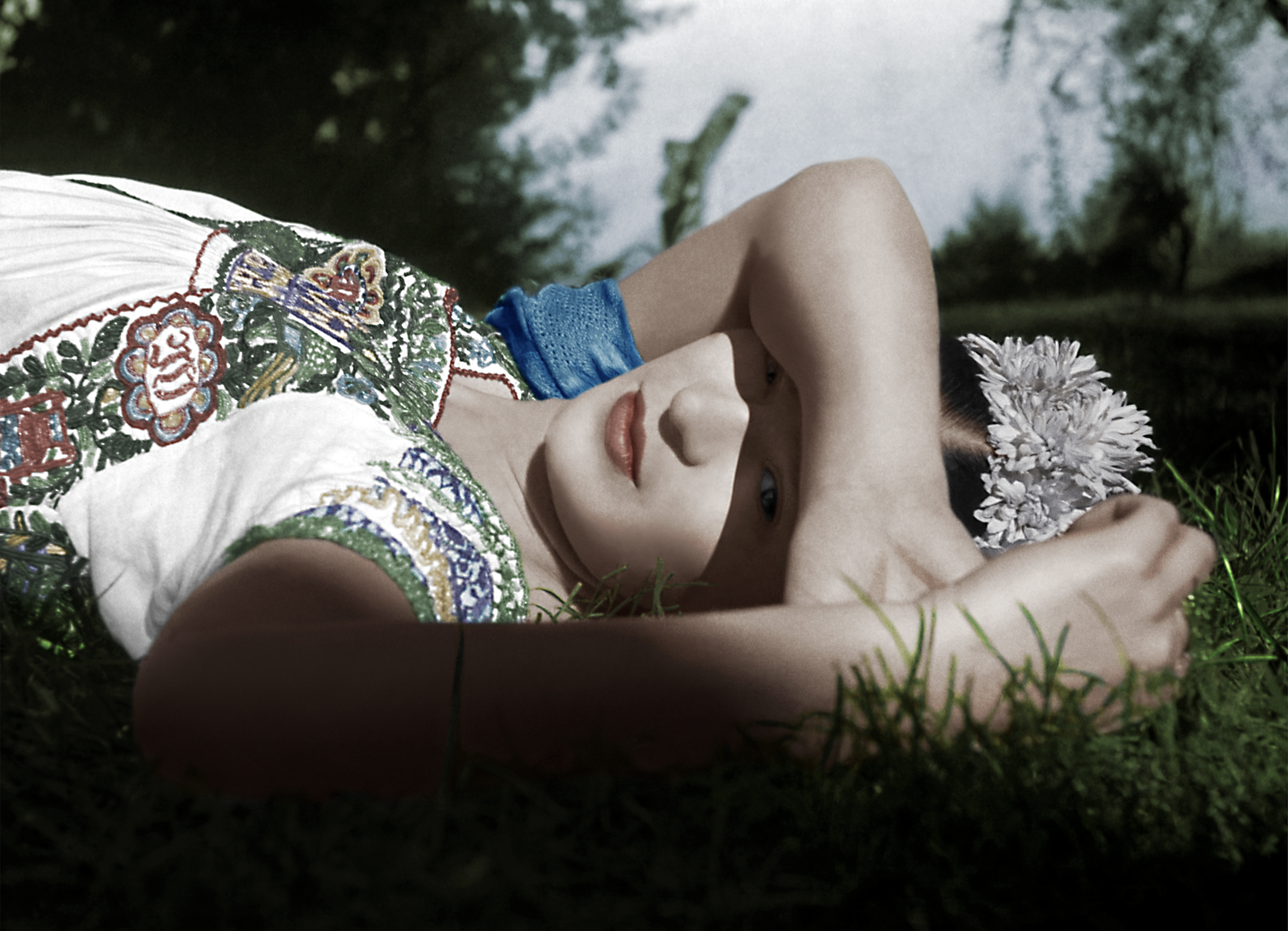
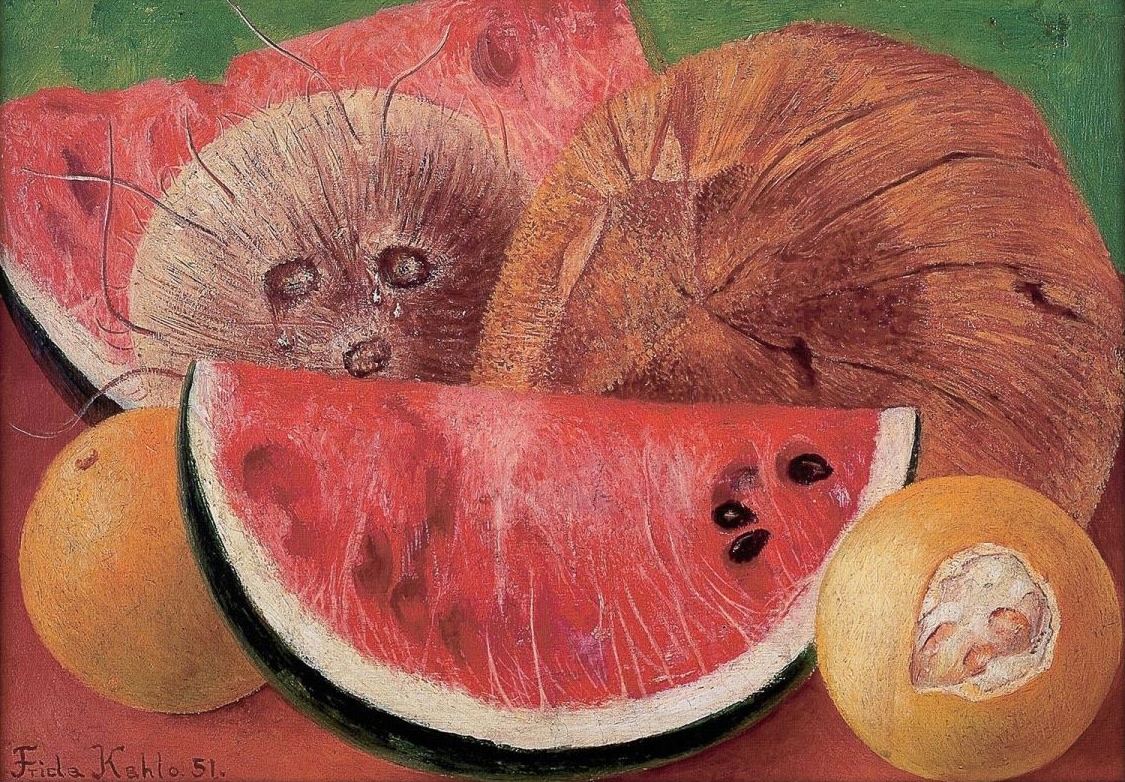

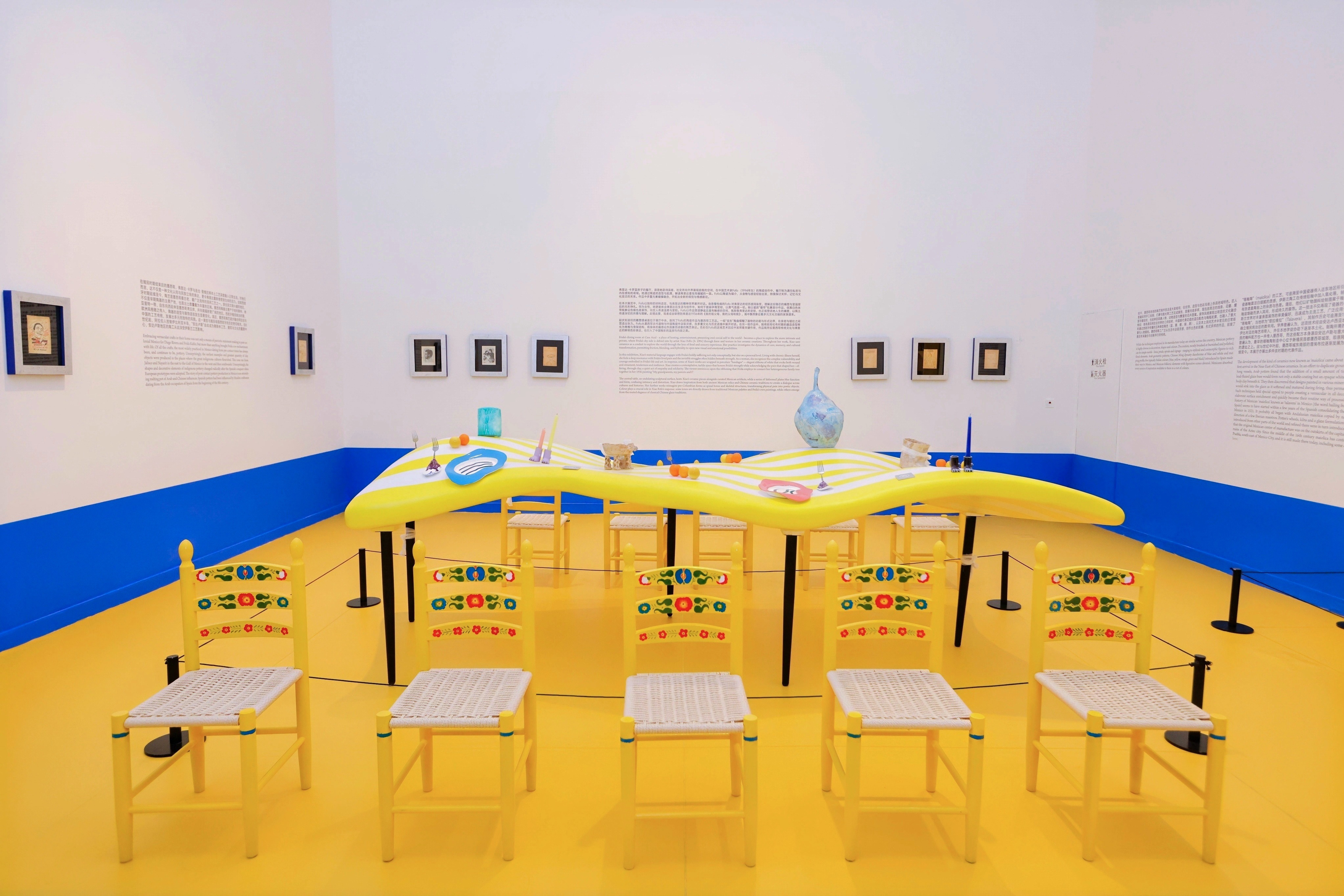
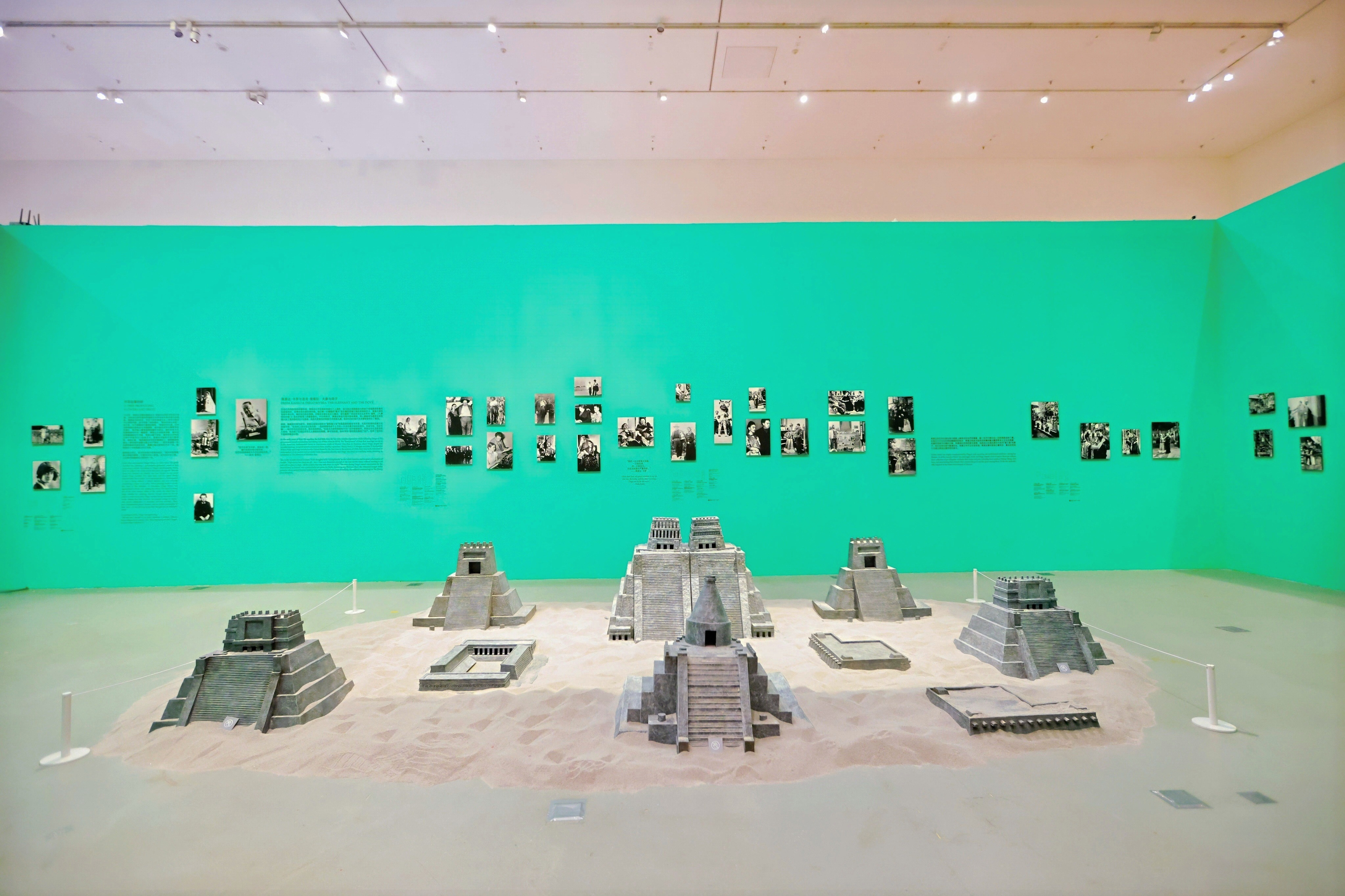
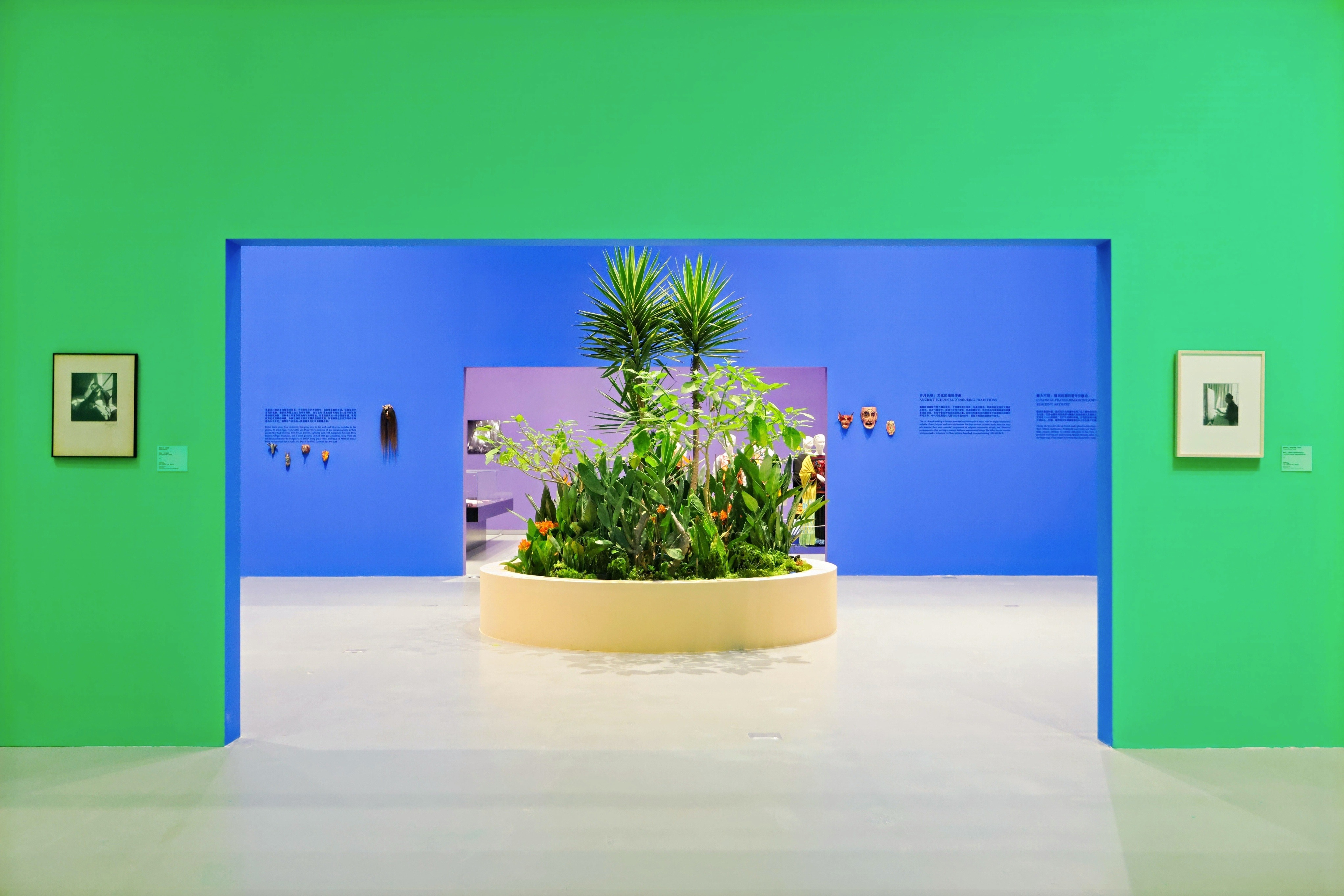
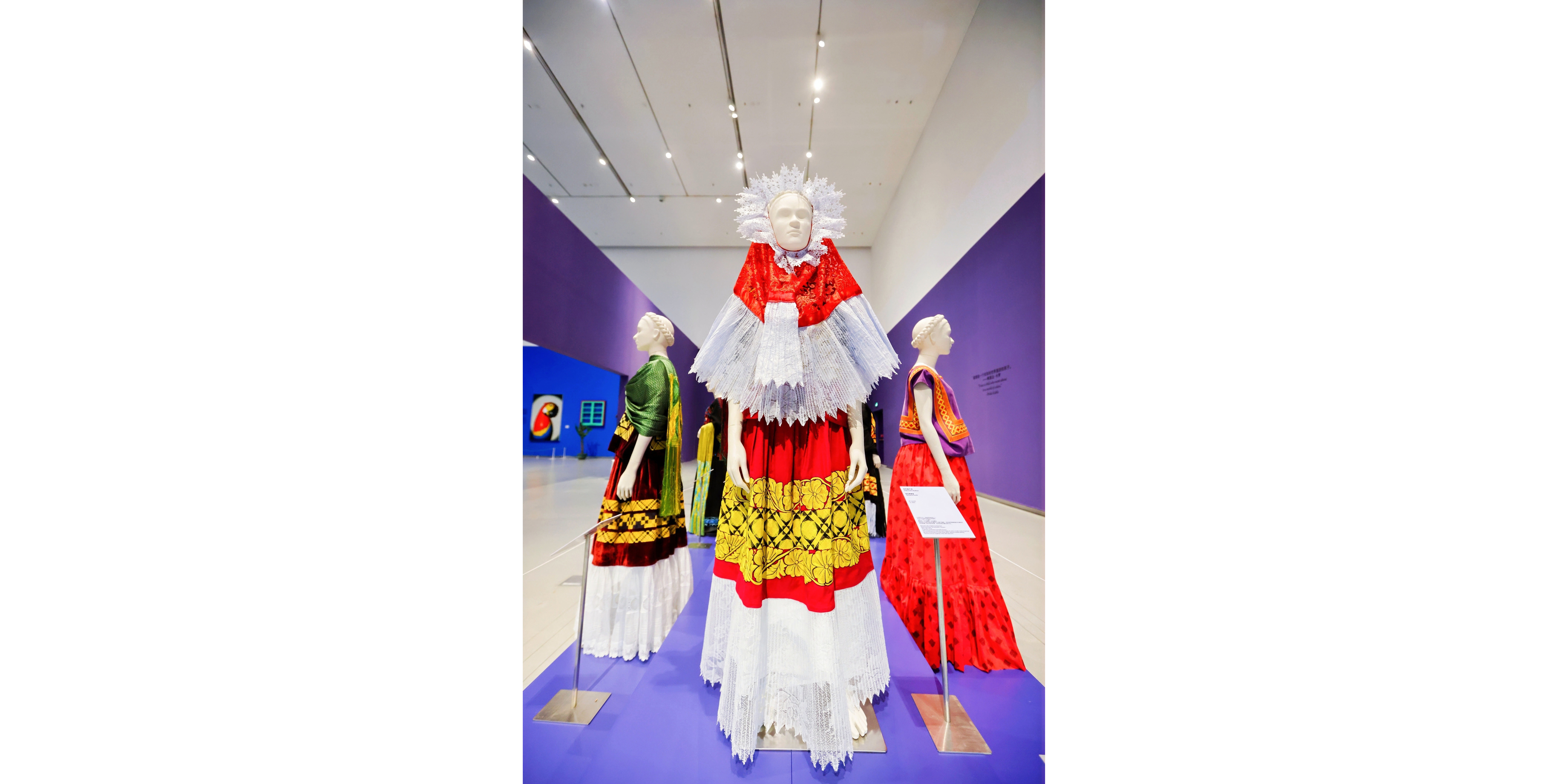
“Frida’s Paradox” marked a landmark cultural moment as the first-ever institutional exhibition of Frida Kahlo’s original works in China. Opening on 18 July 2025 at the Sea World Culture and Arts Center in Shekou, Nanshan District, Shenzhen — home to the V&A Design Society — and running through 15 September 2025, the exhibition brought together some of Frida’s first and final original paintings, sixty pre-Columbian treasures, and biographical ephemera including reproductions of Frida’s letters, diary entries and rare photographs of Frida (and the only known photograph taken by her) for their Chinese debut. Project managed and curated by Peking Art Associates, the exhibition attracted significant attention and drew visitors from across China to the Sea World waterfront district.
Rather than concentrating on Frida’s iconic self-portraits, the exhibition encouraged visitors to explore the more intimate and often overlooked aspects of her life and artistic journey, emphasising the tensions and contradictions beneath her public persona. The show shed new light on her early years, her creative influences drawn from pre-Columbian art and Mexican folk culture, and the traditional indigenous garments and jewellery she embraced, and how she navigated this in a historically European-centric art world.
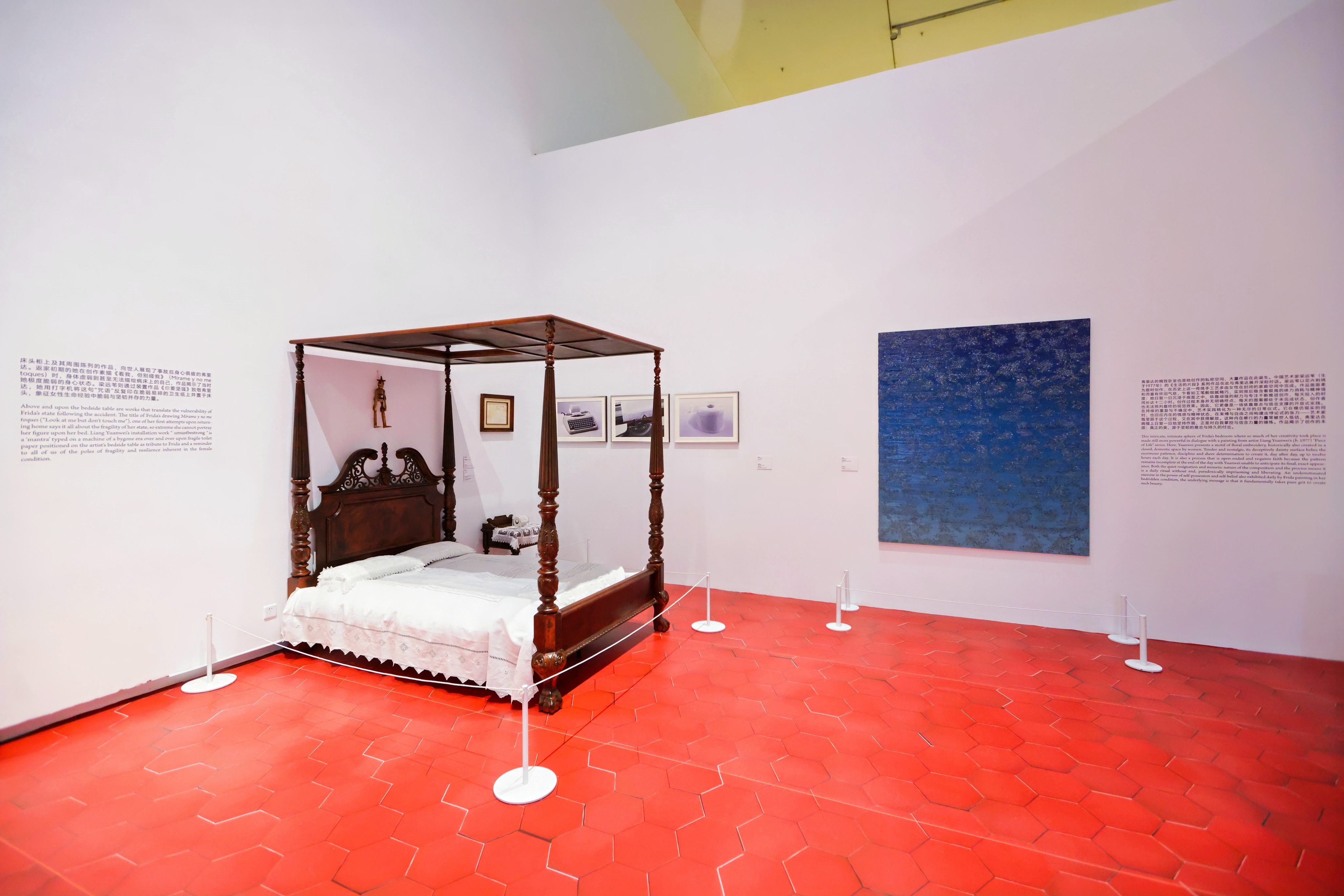
The clash of cultures and sources of inspiration – colonial European contra indigenous Mexican is told through the faithful recreation of Frida’s comfortable domestic sanctum, The Blue House, versus the re creation of the awe-inspiring native Temple Mayor of Tenochtitlan. At its peak, Tenochtitlan was the largest city in the pre- Columbian Americas and the capital of the expanding Aztec Empire until it was captured by the Spanish in 1521, lying beneath what is the historic center of Mexico City today. Other architectural recreations in the exhibition included Frida’s bedroom, where she painted some of the actual works on display; the dining room where she entertained some of the greatest minds of the 20th century; and the courtyard where she cultivated plants both native and imported.
Organised under the overarching theme of “The Great Concealer” (Frida’s moniker given to herself), the exhibition was arranged into sections, highlighting Frida’s childhood and formative years; the influences on her as an artist, including a collection of sixty pre-Columbian artefacts that deeply inspired her work, and the Mexican folk art that shaped her creative spirit; and the forging of her own, powerful voice through traditional clothing, jewellery, including actual jewellery Frida wore, alongside her powerful paintings. Of pre-Columbian artefacts on loan from Mexico — visitors enjoyed Totonaca, Tlatilco and Teotihuacan treasures — that Frida directly referenced in her artwork, as well as a notable interactive sound installation responding to visitors’ movement by Lisa Chang Lee (b. 1986), a meditation on the physical constraints Kahlo herself endured throughout her life.
Further Chinese artists in conversation with Frida’s work and life were Sun Yitian, whose anthropomorphic still lifes echoed those of Kahlo’s; “You Must be Strong” by Liang Yuanwei’s (b. 1977) and “Piece of Life” series in Frida’s recreated bedroom. The native Aztec splendor from which Frida descended through her mother is exemplified in Nabuqi’s (b. 1984) “A View Beyond Space” and “Peeper” series.
What distinguished “Frida’s Paradox” as a unique experience was that the exhibition did not end with Kahlo’s death, but opened a dialogue across time and continents. Among the more poignant curatorial decisions was the inclusion of works by seven contemporary Chinese female artists, each evoking Kahlo’s life story, spirit, and creative world — a curatorial choice that prevented the show from becoming a static historical display and instead connected Kahlo’s themes of identity, pain, and resilience to the present day and place. Staged within one of China’s most forward-looking cities, the exhibition offered a thought-provoking counterpoint: the intensely personal, pain-filled world of a mid-twentieth-century Mexican painter finding new resonance and relevance among Chinese audiences encountering her original work for the very first time.